single post
From Skills to Opportunities: TIH Builds on the ArTERY Pilot
What happens after a young person completes vocational training? For many young people in Dzaleka Refugee Camp and surrounding host communities, the next challenge is finding a job, securing tools to start a business or accessing markets to earn a sustainable income.
Building on the experience of the Accelerating Transition to Employment for Refugee Youth (ArTERY) pilot, we have launched a new 24-month project designed to help refugee and host-community youth turn vocational skills into employment and sustainable businesses.
The initiative falls under the Displaced and Refugee Youth Enabling Environment Mechanism (DREEM), a partnership between the World University Service of Canada (WUSC) and the Mastercard Foundation. DREEM seeks to expand opportunities for displaced and refugee youth, particularly young women, by promoting access to education and economic opportunities.
Within this broader framework, ArTERY focuses on helping young people move beyond skills training into meaningful economic opportunities. This includes connecting graduates with employers, supporting entrepreneurship and providing mentorship to help young people establish and sustain businesses.
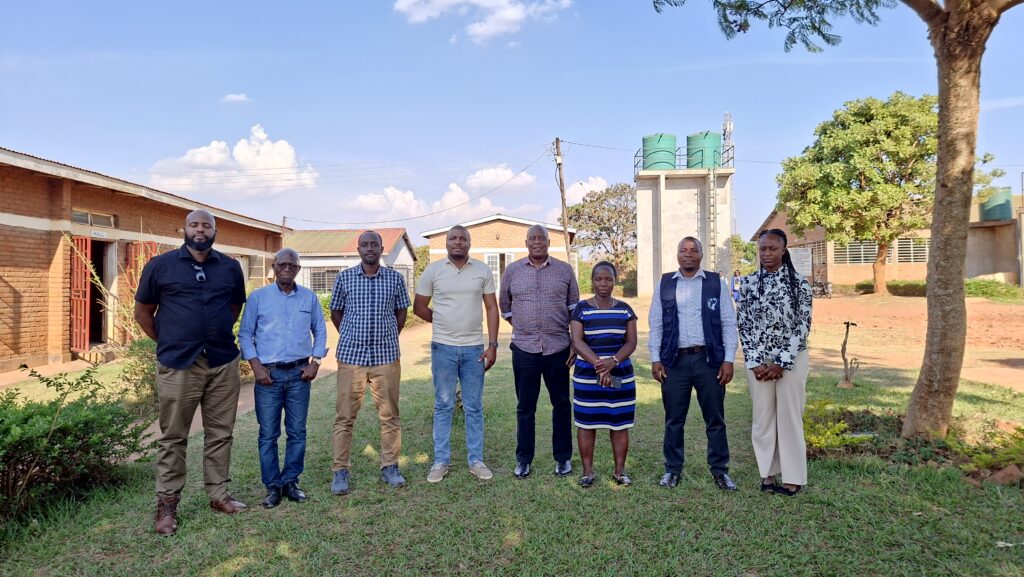
The new phase recently reached an important milestone when a team from WUSC visited TIH to kick off implementation and engage with the local project team.
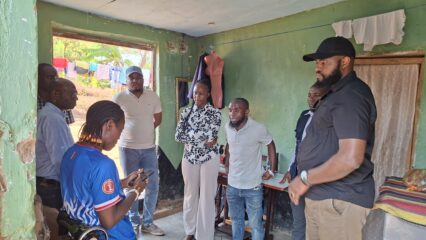
Over the next 24 months, TIH will target 50 young people from Dzaleka Refugee Camp and surrounding host communities in Dowa District. The project will support participants to secure employment or establish businesses, building on vocational skills in trades such as Tailoring and Fashion Design, Carpentry and Joinery, Fabrication and Welding, Solar Photovoltaic Installation, Plumbing and Bricklaying.
The project targets include establishing 20 new businesses and building partnerships with employers and established businesses. It also aims to support 30 participants to access employment or self-employment.
Young women, young mothers and people with disabilities are among the groups the project seeks to include, recognizing the barriers they can face when accessing economic opportunities.
After presenting the project to the Dowa District Executive Committee, (DEC) the project kicked off officially, with a call from the District Council that TIH works hand in hand with the District Gender office as well as Malawi Council for Disability Affairs office to ensure compliance to gender equality and social inclusion.
For TIH, the initiative represents an important step in strengthening the link between vocational training and economic independence. Training provides a foundation, but access to markets, mentorship, start-up support and employment networks can help young people put those skills to work.
By building on the ArTERY pilot, TIH aims to create more pathways for RDP and host-community youth to earn a living, grow businesses and contribute to their communities.
The goal is clear: Move from skills to opportunities and from training to sustainable livelihoods.