single post
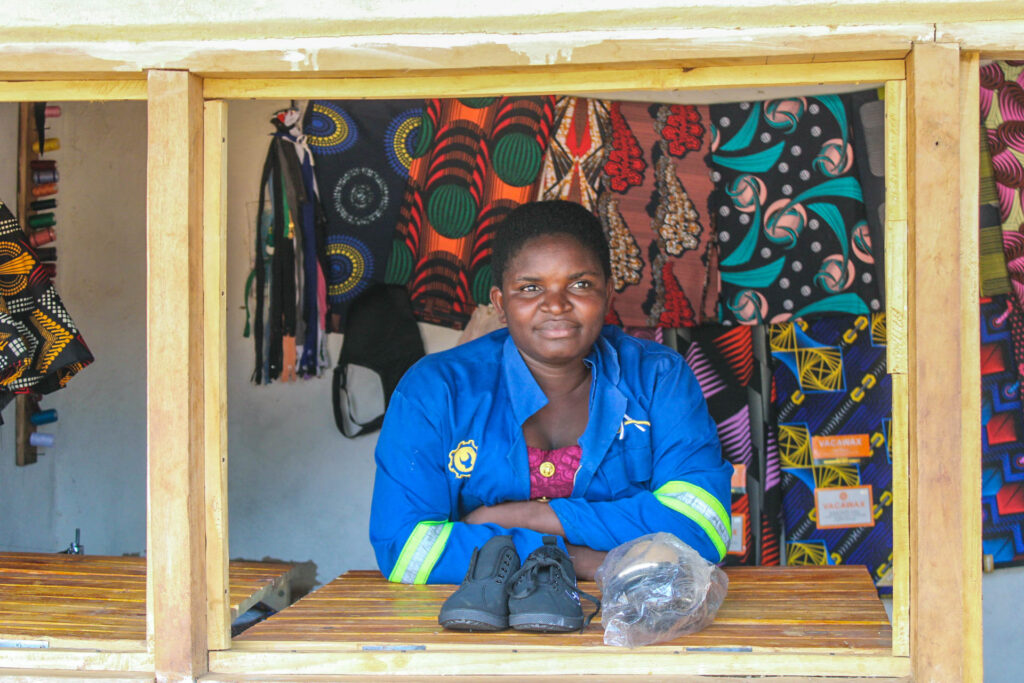
After Graduation: When a Skill Becomes a Livelihood
Graduation is often seen as the end of a training journey. For young people entering the world of work, it is only the beginning.
Through the Skill Up! Malawi Phase II project, Welthungerhilfe (WHH) and There Is Hope (TIH) are equipping young people ages 15 to 35 from Dzaleka Refugee Camp and surrounding host communities with market-driven technical and vocational skills, alongside entrepreneurship, mentorship, business incubation, life skills and digital literacy.
The objective is straightforward: help young people build pathways to employment, self-employment and greater economic self-reliance.
But training alone does not guarantee a livelihood.
A tracer study of 122 graduates from 2025 found that 69.7% were using the skills they acquired during training. However, 41.8% were unemployed, while 44.3% reported paid work, self-employment, family business or employer status.
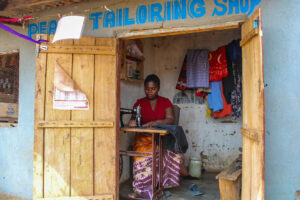
A tailoring graduate may know how to make garments but need customers and working capital. A solar trainee may have the technical skills but lack equipment or access to contracts. A plumbing graduate may be ready to work but struggle to find consistent opportunities.
The tracer study identified several continuing needs, including access to employment, finance, markets and business opportunities, as well as stronger capabilities in bookkeeping, financial management, marketing, market knowledge, negotiation and teamwork.
But the tracer study is also about what comes next.
One of its important purposes is to identify graduates who can receive startup kits and take the next step toward establishing themselves as entrepreneurs in their trades and communities.
This makes the exercise more than a data collection process. It is part of a pathway designed to help graduates move from having a skill to using that skill to generate income, serve a market and build an enterprise.
A recent graduate mapping exercise reached 81 graduates from previous cohorts in Carpentry and Joinery, Tailoring and Fashion Design, Plumbing, and Solar Photovoltaic Installation. The exercise examined not only technical preparedness, but also business readiness, commitment, working environments and the barriers graduates face.
The information gathered will help inform support for graduates as they transition into entrepreneurship, including the identification of graduates who are positioned to benefit from startup kits.
For a carpenter, that support could help strengthen the ability to produce and sell furniture. For a tailor, it could provide the means to expand production and reach more customers. For a plumber or solar technician, access to the right tools and equipment can be critical to turning technical knowledge into a functioning service business.
The wider objective is to help graduates establish themselves as skilled service providers and entrepreneurs within their communities, creating income for themselves while contributing to local economic activity.
This is why post-training support matters.
The journey from classroom to workshop, from workshop to market and from market to sustainable income does not happen overnight. It requires skills, tools, markets, business knowledge and continued opportunity.
For WHH and TIH, the focus is therefore not simply on how many young people graduate. It is also on what those young people are able to do with the skills they have gained.
Graduation marks the achievement of a skill. Startup support can help turn that skill into a business, an income and a lasting presence in the community. That is where training begins to translate into livelihoods.